Major Land Acquisitions in Jeddah: Identifying Future Real Estate Development Hubs for Investors
Author
Introduction: Jeddah, the Hub of Real Estate Expansion
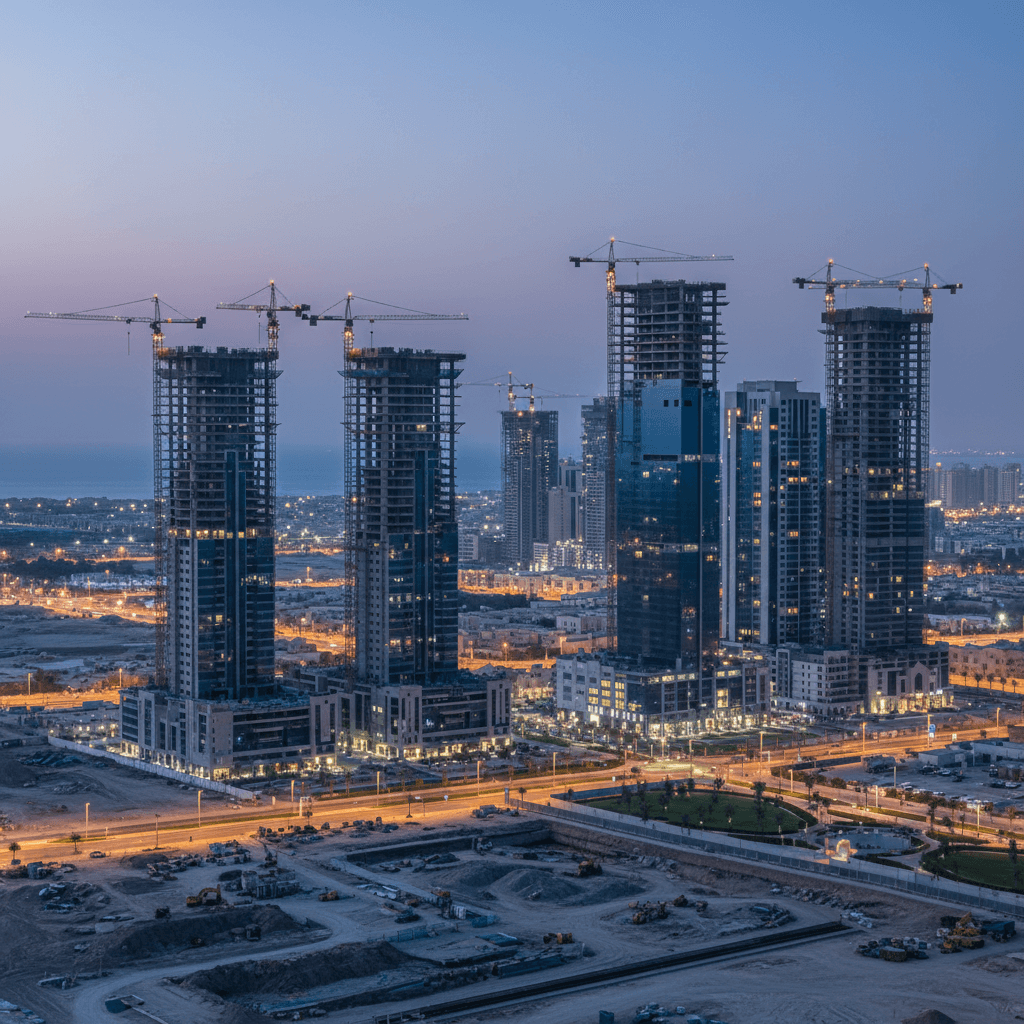
Jeddah, the Bride of the Red Sea, is undergoing an unprecedented urban transformation, driven by the ambitious Saudi Vision 2030 and its mega-projects. At the heart of this transformation are large-scale land acquisitions by major real estate developers, which are not just commercial deals but crucial indicators of future growth and development hubs. This topic is particularly important now because these acquisitions are shaping the upcoming urban landscape of the city, offering investors and property managers valuable insights into where investment opportunities are heading, and how they can leverage these shifts to maximize their returns.
Key Takeaways
- Major land acquisitions in Jeddah are key indicators of future real estate development areas.
- These acquisitions focus on areas with developed infrastructure and new urban plans.
- These investments directly impact the rise in land and property values in targeted areas.
- They offer promising investment opportunities for small developers and individual investors in surrounding areas.
- Real estate agencies and property managers must track these trends to provide accurate advice to their clients.
- These acquisitions contribute to stimulating the rental market and providing new residential and commercial units.
The Evolving Landscape of Land Acquisitions in Jeddah
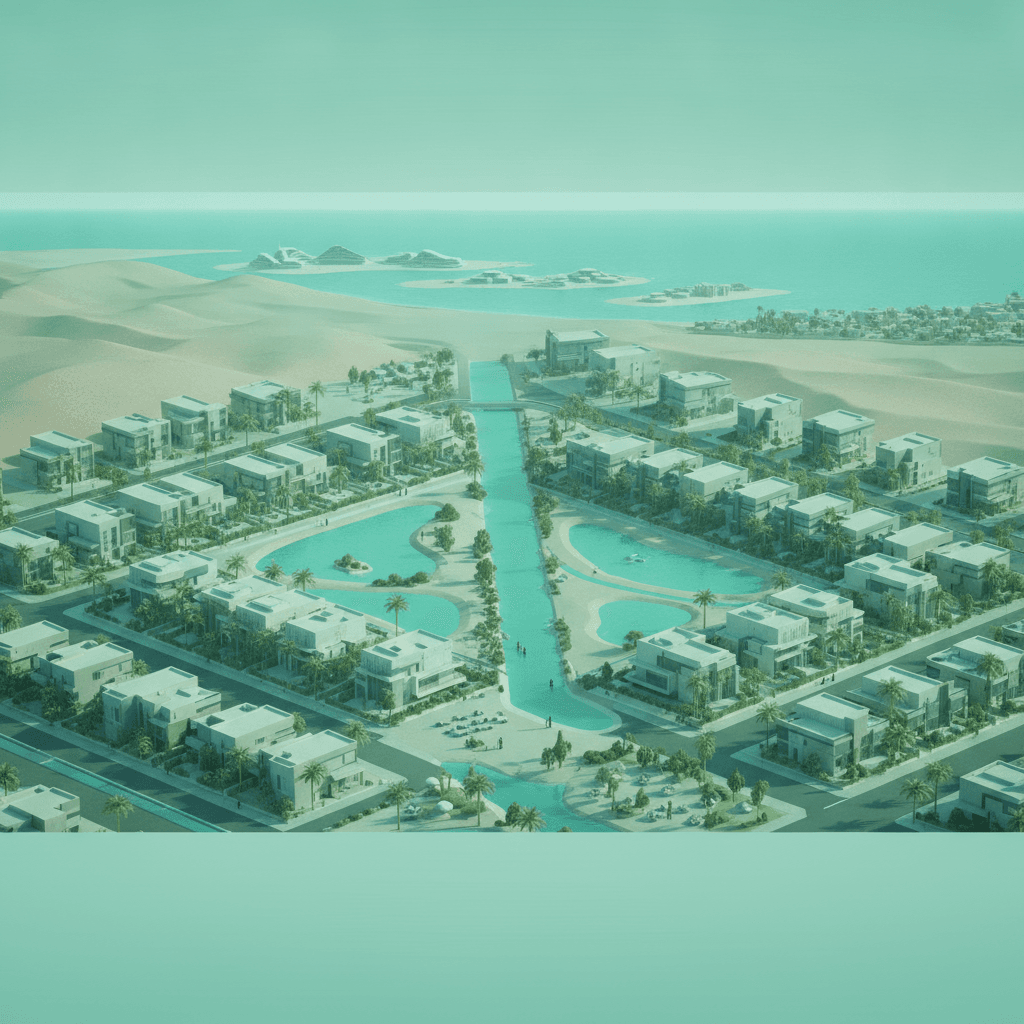
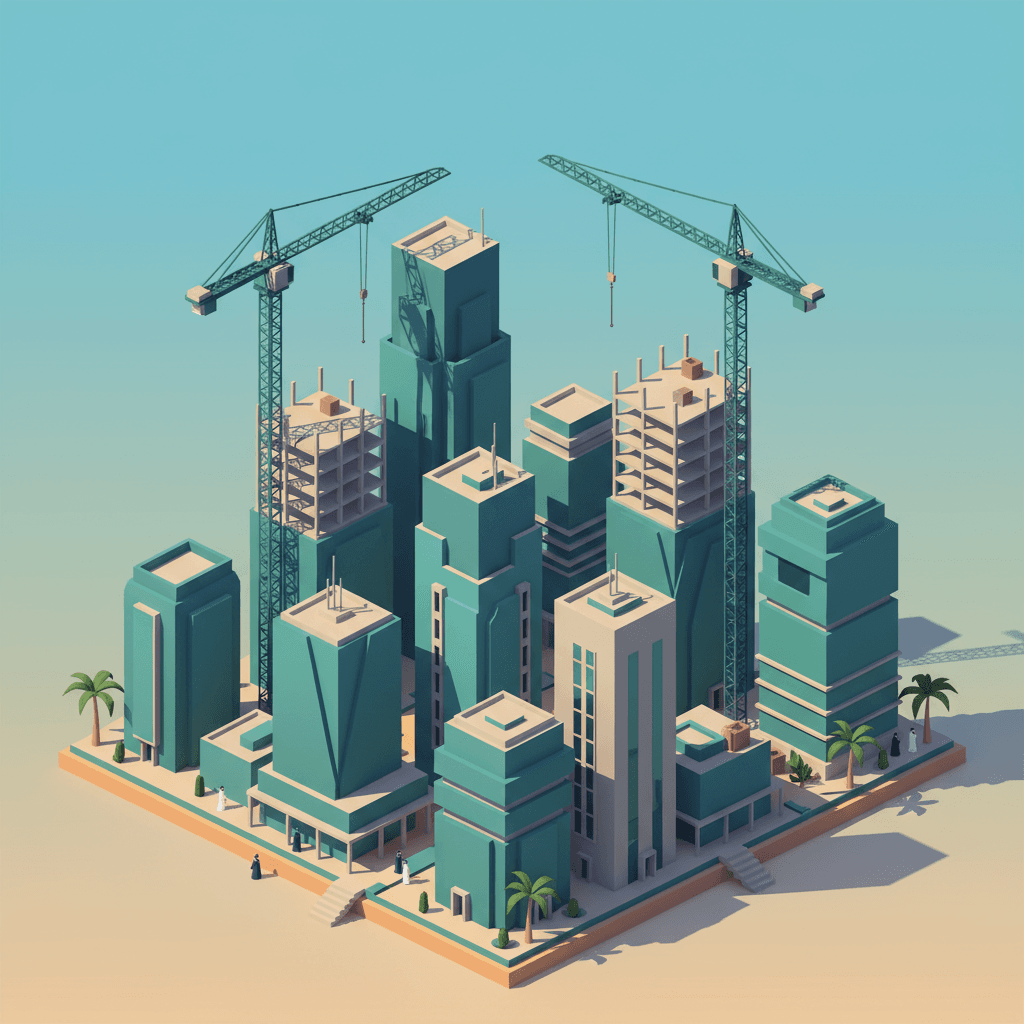
Jeddah has witnessed significant activity in the land acquisition market over the past few years, with major real estate companies competing to secure strategic locations for their mega-projects. This activity is not random; it is a direct response to government incentives and massive development projects such as the Jeddah Downtown project, the new airport project, and the expansion of road infrastructure and services. These projects make certain areas more attractive for investment, prompting developers to acquire vast tracts of land in those corridors.
Market analyses show increasing interest in the northern and eastern parts of Jeddah, which are characterized by the availability of undeveloped land and potential for urban expansion. These areas, once considered the city's outskirts, are now focal points for developers due to future infrastructure plans that will connect them to the city center and other vital hubs. Understanding these dynamics is crucial for investors seeking to identify opportunities before the market becomes saturated.
Identifying Promising Growth Zones: Where Are Developers Heading?
For investors and property managers, the most important question is: where is the development compass pointing? Based on recent acquisition activity and urban development plans, several promising areas in Jeddah can be identified. Firstly, areas adjacent to major government projects or located on key road axes connecting these projects. These areas are experiencing increasing demand for land to develop residential, commercial, and administrative projects that serve the anticipated population density and associated economic activities.
Secondly, areas benefiting from improved transportation infrastructure, such as expanded highways and their connection to new areas. These improvements reduce commute times and make more distant areas more attractive for living and investment. For example, areas along the Haramain Road extension or corridors leading to the north and east of the city, where there is room for expansion. Real estate agencies should closely monitor these developments and provide strategic advice to their clients, and they can utilize tools like Osool Estate's analytics to understand these changes.
Northern Areas as an Attraction Hub
- Proximity to Mega Projects: Northern areas are characterized by their proximity to major future projects, making them a magnet for developers.
- Developed Infrastructure: These areas are witnessing government investments in infrastructure, enhancing their attractiveness.
- Diversified Uses: Potential for developing residential, commercial, and light industrial projects to meet the needs of population and economic growth.
Impact of Acquisitions on Real Estate Market Indicators
There is no doubt that major land acquisitions directly impact Jeddah's real estate market indicators. These acquisitions lead to an increase in land values in the targeted areas and their surroundings, as investors anticipate future demand growth. This increase is not limited to raw land alone but extends to developed properties as well, especially residential and commercial ones.
Furthermore, these investments contribute to stimulating the rental market. As new projects commence, the demand for residential and commercial units increases, whether for housing, offices, or retail. Osool Estate's data indicates that the average rent in Jeddah is currently 38370 SAR, compared to an average of 35644 SAR, with a clear upward trend. This trend confirms the continuous growth in demand for real estate, making investment in rental properties an attractive option. Property managers can leverage this data to provide better insights to their clients and offer services like rental collection efficiently.
Investment Opportunities Amidst Urban Expansion
For investors, these trends open up broad avenues for opportunities. Small and medium-sized investors can look for smaller land plots in areas surrounding major project sites, where prices are still reasonable but have high growth potential. They can also invest in developing small residential or commercial units to meet the increasing demand from new residents and businesses moving into these areas.
Additionally, there are opportunities in the real estate services sector. As the number of real estate projects grows, so does the demand for property management, maintenance, and real estate marketing services. This represents a golden opportunity for real estate agencies to expand their service offerings and meet the needs of a growing market. Real estate agencies can benefit from Osool Estate's solutions for real estate agencies to enhance their efficiency and provide the best services.
The Role of Major Developers in Shaping Jeddah's Real Estate Future
Major developers play a pivotal role in shaping Jeddah's real estate future. Their massive acquisitions are not limited to merely buying land but extend to comprehensive planning and development of integrated communities that include housing, commercial, recreational facilities, and services. These significant projects not only raise the value of surrounding lands but also create new attractions for the city, enhancing its position as a major economic and tourist hub in the region.
Monitoring the strategies of these major developers provides a strong indicator of future market trends. When a major developer invests in a particular area, it is often based on in-depth feasibility studies and promising growth forecasts, encouraging other investors to follow suit. This dynamic creates a multiplier effect, accelerating the pace of development in these areas, making them hot spots for investment.
Practical Recommendations for Real Estate Agencies and Property Managers
To stay ahead of the market and capitalize on these trends, real estate agencies and property managers in Jeddah should take proactive steps:
- Analyze Market Data: Utilize advanced data analytics tools to track land acquisitions, rental indicators, and property prices in different areas.
- Identify Focus Areas: Based on analyses, identify promising areas where you can concentrate your services.
- Develop Specialized Expertise: Gain expertise in the types of properties that will be in demand in these new areas (e.g., small residential units, flexible offices, retail spaces).
- Build Relationships: Establish strong relationships with major developers and investors to offer property management and marketing services for their projects.
- Targeted Marketing: Design marketing campaigns that target potential investors and clients in these new areas.
- Leverage Technology: Use platforms like Osool Estate to improve the efficiency of your operations and provide better services to your clients, including AI analytics that offer deep market insights.
FAQ
When can the impact of these acquisitions on property prices be seen?
Land prices typically start to rise immediately after acquisitions or major projects are announced. Their impact on developed property prices, however, appears gradually with the start of development work and the completion of infrastructure, which can take 3 to 5 years.
Is investing in raw land in Jeddah still viable?
Yes, investing in raw land is still viable, especially in areas undergoing urban expansion and infrastructure development. However, this type of investment requires careful study of the location, future plans, and the ability to wait for desired returns.
How can small real estate agencies compete in a market with major acquisitions?
Small real estate agencies can compete by specializing in specific areas, providing in-depth consulting services, and building strong relationships with individual investors and small developers. Leveraging technology to increase efficiency and provide value-added services is also crucial.