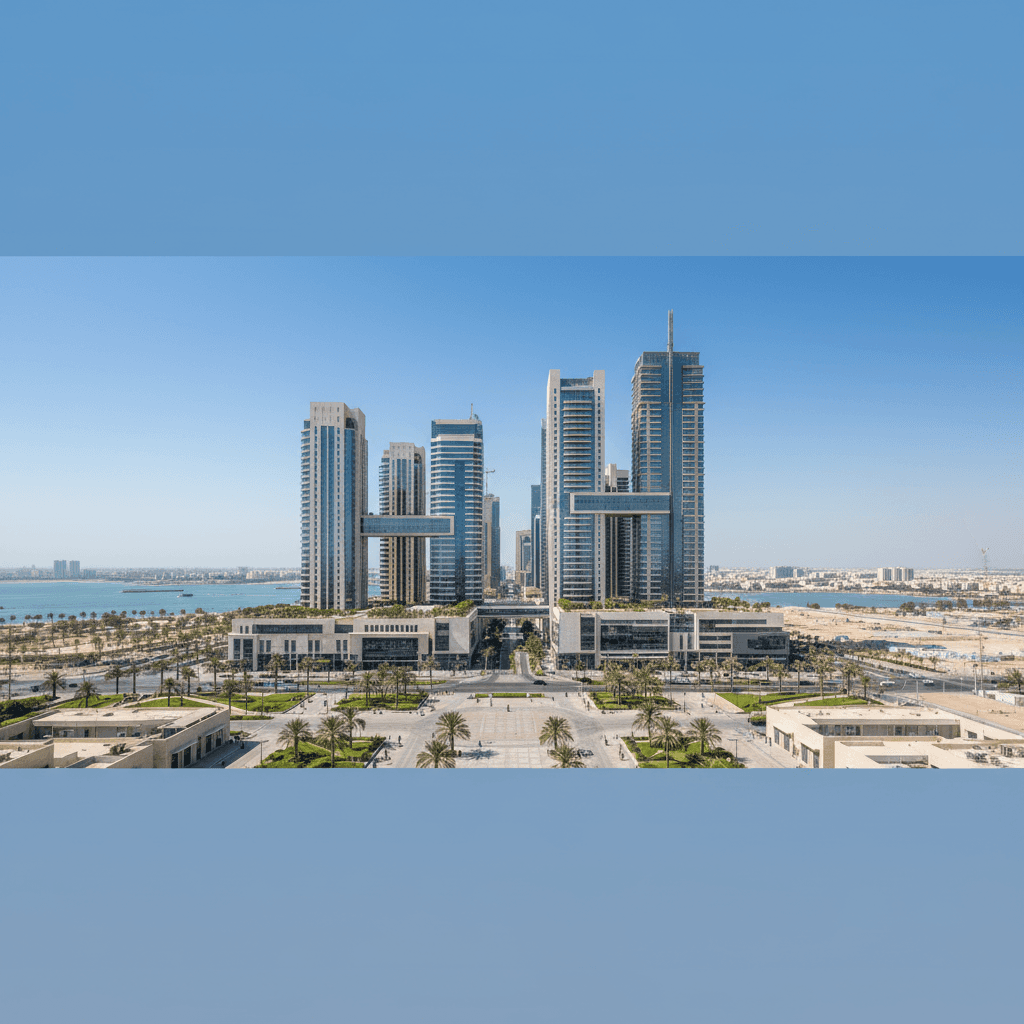
Riyadh's Residential Shift: How Demand for Smaller Apartment Units Impacts Landlords and Developers 2026
Author

Introduction: Why This Shift Matters Now?
Riyadh's residential market is undergoing a pivotal transformation, driven by evolving demographics and a growing emphasis on affordability. Large residential units are no longer the sole preference; instead, there's a burgeoning demand for smaller apartments. This change is not merely a fleeting trend but a clear indicator of a reshaping real estate landscape in the capital, presenting both challenges and opportunities for landlords and developers. Understanding this dynamic now is crucial to ensure the continuity and success of real estate businesses in the future.
Key Takeaways
- Rising Demand for Smaller Units: Changing demographics and increasing cost of living are pushing tenants towards compact apartments.
- Opportunities for Existing Landlords: Re-evaluating and adapting property portfolios to meet this growing demand.
- Challenges for Developers: A necessity to rethink future project designs and prioritize space efficiency.
- Importance of Data: Utilizing market data to analyze trends and guide investment decisions.
- Osool Estate as a Partner: Providing tools and analytics to support property managers in navigating these changes.
Drivers of Riyadh's Shift Towards Smaller Residential Units
Several factors are propelling Riyadh's residential market towards a preference for smaller units. Firstly, demographics play a pivotal role, with Riyadh experiencing an increase in young individuals, singles, and smaller families, who often favor compact apartments that align with their modern lifestyles and budgets. Secondly, affordability is a critical driver; with rising rent indicators in Riyadh, our data shows the current average rent at SAR 54,282 compared to an average of SAR 28,324, making the search for smaller, more cost-effective units a necessity for many. This continuous increase, signaling an upward trend in rental prices, enhances the appeal of apartments with limited space. Thirdly, rapid urban expansion in Riyadh contributes to increased population density, creating pressure on supply and making smaller units a practical housing solution.
Implications of the Shift for Existing Landlords
For existing property owners, this shift presents both opportunities and challenges. Landlords must re-evaluate their property portfolios to determine their suitability for the new demand. Some larger properties may require restructuring or subdivision to offer multiple smaller units, potentially increasing return on investment. On the other hand, landlords with exclusively large units might face difficulties in renting them out as easily as smaller units. This situation necessitates innovative marketing strategies and perhaps some internal modifications to meet the needs of new tenants. Understanding local market dynamics, such as rental indicators in Dammam (current SAR 31,347) and Jeddah (current SAR 38,370), can provide broader context, but the focus is currently on Riyadh where the market is undergoing significant transformation.
Practical Steps for Landlords:
- Local Market Analysis: Use Osool Estate's tools to analyze demand for smaller units in your area.
- Assess Modification Potential: Consult experts to determine if your current units can be subdivided or modified.
- Targeted Marketing: Focus on target demographics (youth, small families, singles) when marketing your units.
- Enhance Tenant Experience: Offer amenities suitable for smaller units, such as smart storage solutions or shared common areas.
Impact of the Shift on Real Estate Developers
Real estate developers face an urgent need to rethink their design and development strategies. Instead of focusing on luxurious, sprawling units, they should pivot towards developing projects that include a greater number of smaller units, emphasizing smart design that efficiently utilizes every square meter. This doesn't mean sacrificing quality or aesthetics; rather, it requires innovation in interior design and the provision of shared facilities that compensate for smaller individual spaces, such as gyms, co-working spaces, and gardens. Planning for new projects must be driven by accurate demand data and market forecasts to ensure maximum return on investment.
Key Considerations for Developers:
- In-depth Feasibility Studies: Conduct feasibility studies focused on demand for smaller units and potential returns.
- Designing Multi-functional Spaces: Integrate design solutions that allow for flexible use of space within the unit.
- Providing Shared Amenities: Plan for high-quality amenities that add value to the project and compensate for smaller unit sizes.
- Partnering with Property Management Platforms: Leverage the expertise of platforms like Osool Estate in understanding market needs and guiding design.
Osool Estate's Role in Supporting This Transition
Amidst this transition, property management platforms like Osool Estate play a vital role in enabling landlords and developers to adapt and thrive. Osool Estate provides advanced analytical tools that allow tracking rental indicators, understanding tenant preferences, and identifying promising areas for smaller units. Through our AI-powered analytics, property managers can make informed decisions regarding pricing, marketing, and even necessary unit modifications. We also offer integrated property management solutions, from rental collection to maintenance management, making it easier for landlords to efficiently manage their portfolios, regardless of unit size or number. Discover more about our features that help you stay at the forefront of the market.
Recommendations and Practical Steps for Real Estate Offices
To maximize the benefits of this shift, Saudi real estate offices must adopt new strategies. Firstly, expand your property database to include more smaller residential units in different areas of Riyadh. Secondly, develop specialized expertise in marketing and managing these units, focusing on the unique advantages they offer to target tenants. Thirdly, invest in technology that supports this process, such as the Osool Estate platform, which provides accurate market analytics and integrated management tools. Fourthly, offer consultation to landlords and developers on how to adapt their existing properties or design future projects to meet the growing demand for smaller units. Fifthly, build strong relationships with developers who focus on this type of property to ensure a continuous flow of new units. Learn about our tailored solutions for real estate agencies.
FAQ
Q: Will this shift towards smaller units continue in Riyadh?
A: Demographic forecasts and data suggest that this trend will continue in the medium to long term, supported by population growth, changing lifestyles, and a focus on affordability.
Q: How can small landlords adapt to this change?
A: Small landlords can focus on improving their existing units to be more attractive to those seeking smaller spaces, through smart design, providing built-in furniture or additional services, and utilizing AI analytics to determine optimal pricing.
Q: Which areas in Riyadh are experiencing the highest demand for smaller units?
A: Areas close to business centers, universities, and major service facilities typically experience higher demand for smaller units, as young people and workers seek easy access and lower housing costs.